
Views: 0 Author: Site Editor Publish Time: 2026-10-21 Origin: Site


I have seen fastener failures cost heavy industrial projects millions of dollars in unexpected downtime. When you expose critical infrastructure to brutal elements, standard finishes simply fail. They lack the endurance needed to stop catastrophic structural degradation. Even worse, conventional anti-rust treatments often wreck critical thread tolerances or hide metallurgical weaknesses that lead to sudden shearing.
Recent industry data highlights a massive shift in heavy construction and renewable energy. We are pushing infrastructure into harsher zones, like deep-water offshore wind farms and expansive desert solar arrays. Consequently, standard finishes are becoming obsolete. Engineers are actively phasing out legacy plating to meet tightening environmental regulations without sacrificing mechanical strength. Selecting the right hardware finish is no longer an afterthought. It is a strategic decision that dictates project safety and maintenance cycles.
Below, we will explore the core advantages of transitioning to advanced surface treatments. You will learn the underlying technical specifications, examine real-world applications across demanding sectors, and understand exactly why specifying the proper finish secures your structural integrity.
Superior Defense: This proprietary matrix of overlapping zinc and aluminum flakes delivers exceptional defense against oxidation. It significantly extends component lifespans in severe environments.
Perfect Fit: The ultra-thin profile, typically 5 to 15 microns, ensures that precision fasteners maintain strict thread tolerances without requiring oversized tapping or secondary machining.
Structural Integrity: Operating as a completely non-electrolytic application, it eliminates the risk of hydrogen embrittlement. This makes it the safest surface treatment for high-tensile steel components.
Environmental Compliance: As a 100 percent chromium-free solution, it strictly adheres to modern global environmental directives, including RoHS and REACH regulations.
Controlled Assembly: Advanced formulations feature integrated lubrication. This provides engineers with a predictable friction coefficient for highly accurate torque-tension relationships.
Understanding the fundamental mechanics of this advanced surface treatment is critical for engineers and procurement managers evaluating hardware longevity. Rather than acting as a superficial layer of paint, this solution is a highly engineered chemical matrix designed to provide multi-layered defense mechanisms for metal substrates.
At a microscopic level, this specialized zinc flake coating consists of overlapping metallic flakes securely bound together within a specialized inorganic binder. When applied and properly cured, this unique structure provides a dual-action defense system that dramatically outperforms conventional plating methods.
Initially, the overlapping flake structure creates a formidable physical barrier. This tortuous path prevents moisture, salt, and industrial chemicals from easily reaching the underlying steel substrate. Should the surface become scratched or mechanically damaged during heavy-duty assembly, the system provides robust galvanic protection. Because zinc is more anodically active than steel, it acts as a sacrificial layer. The zinc will corrode first. It actively protects the exposed steel from oxidation and halts the aggressive spread of red rust.
The development of this technology represents a significant leap forward in industrial chemistry. Legacy systems relied on hexavalent chromium as a binder, a substance later identified as a severe environmental and health hazard.
To address strict modern ecological regulations, chemical engineers developed a completely water-based, chromium-free alternative. This modern iteration retains all the anti-corrosive properties of its predecessor. Furthermore, it operates as a globally recognized eco-friendly solution, fully compliant with the Registration, Evaluation, Authorisation and Restriction of Chemicals and the Restriction of Hazardous Substances directives.
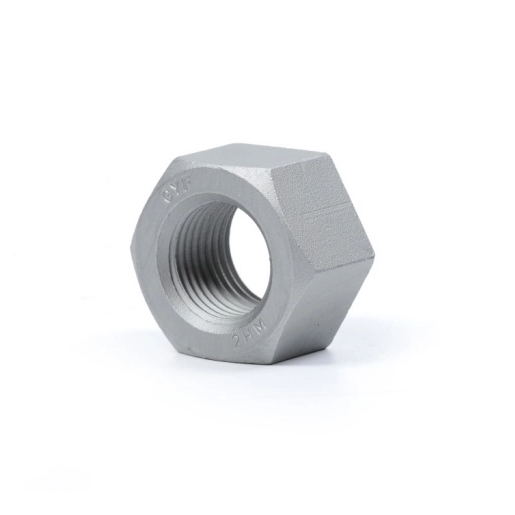
As global infrastructure moves toward extreme environments, selecting a premium fastener coating directly impacts your return on investment. Let us break down the exact performance metrics that matter on the job site.
The primary metric for evaluating any protective finish is its performance in accelerated corrosion testing. In Neutral Salt Spray tests conducted under strict ISO 9227 parameters, treated components exhibit extraordinary endurance. Depending on the specific weight and grade applied, these parts routinely withstand between 600 to over 1,500 hours of continuous saline exposure before the first signs of base metal degradation appear. This exponential increase in durability translates directly to lower maintenance costs and longer intervals between structural inspections.
Imagine a Class 10.9 structural bolt suddenly snapping under load weeks after installation. This delayed, unpredictable fracture is a classic symptom of hydrogen embrittlement. It is a catastrophic phenomenon where atomic hydrogen infiltrates high-strength steel during acid pickling or electroplating processes.
Because this modern application process is entirely water-based and non-electrolytic, it requires no acid cleaning or electrical currents. Consequently, it introduces absolutely zero hydrogen into the metal substrate. This characteristic makes it the mandatory choice for high-tensile hardware where maintaining absolute structural integrity is non-negotiable.
Traditional protective layers often result in thick, uneven buildups that clog internal and external threads. Manufacturers are frequently forced to use oversized tapping to compensate. This practice can ultimately compromise the mechanical strength of the joint.
In contrast, advanced flake technologies require only a microscopic layer, typically ranging from 5 to 15 microns, to achieve massive resistance against the elements. This ultra-thin profile conforms flawlessly to the geometry of the hardware. When assembling precision components, like an ASTM A194 Grade 2HM heavy hex nut, maintaining exact thread clearance such as a 6H fit is critical. The thin layer ensures smooth engagement, preventing galling and eliminating the need for secondary thread clearing operations.
Industrial assemblies are frequently exposed to extreme thermal and chemical volatility. The inorganic matrix maintains its structural and protective integrity at sustained high temperatures, typically up to 300 degrees Celsius, without blistering, flaking, or losing its sacrificial properties. Additionally, the cured finish exhibits excellent resistance to a wide array of automotive fluids, industrial solvents, motor oils, and fuels.
Procurement teams must understand that this technology is not a single, monolithic product. It is available in various formulations engineered to meet highly specific mechanical requirements. The two most prominent grades utilized in heavy industry are the 321 and 500 series.
Serving as the foundational basecoat for many industrial applications, the 321 formulation provides the core barrier and galvanic protection required for harsh environments. However, on its own, this specific grade does not possess a tightly controlled friction coefficient. For applications requiring precise torque values during installation, hardware treated with this basecoat typically requires a secondary friction-modifying topcoat.
Representing a more streamlined, all-in-one solution, geomet 500 integrates a specialized lubricant directly into the inorganic chemical matrix itself. The primary benefit of this integration is the delivery of a highly consistent, controlled friction coefficient, typically ranging between 0.12 and 0.18, right out of the box.
This built-in lubricity ensures highly accurate torque-tension relationships during automated installation. Engineers can rely on this formulation to deliver uniform clamping force across massive structural assemblies without the added cost or processing time associated with applying separate topcoats.
To justify the investment in advanced surface treatments, it is essential to compare objective performance metrics against legacy technologies that have dominated the market for decades.
Hot-Dip Galvanizing involves submerging steel into molten zinc at temperatures exceeding 450 degrees Celsius. While it provides excellent rust prevention for large structural steel beams, it presents severe mechanical drawbacks for threaded hardware.
Thickness: Hot-Dip Galvanizing typically deposits 40 to 50 microns of material, severely clogging thread pitches and necessitating oversized tapping. Flake coatings deposit only 5 to 15 microns, preserving standard dimensions.
Thermal Impact: The extreme heat of the galvanizing process can alter the metallurgical properties of high-strength steel. The alternative curing process occurs at much lower temperatures safely preserving the engineered temper of the steel.
Zinc electroplating remains a widely used, cost-effective method for indoor or mild environments. Yet, it falls drastically short in demanding industrial scenarios.
Endurance: Standard zinc plating typically fails Neutral Salt Spray testing within 100 to 200 hours. Advanced alternatives provide exponentially longer lifespans, frequently exceeding 1,000 hours.
Embrittlement Risk: Electroplating inherently introduces hydrogen into the steel, requiring a secondary, time-sensitive baking process to mitigate failure risks. Non-electrolytic applications completely bypass this structural danger.
When structural integrity is non-negotiable, engineers must select components capable of surviving the most unforgiving environments. By analyzing recent field data from top-tier industrial sectors, we can see exactly why this specific surface treatment dominates the market.
The wind energy sector operates in what is classified as a very high marine atmospheric corrosivity category. Hardware in these environments is constantly battered by high humidity, extreme salinity, and aggressive UV radiation. Standard galvanizing often struggles here due to uneven distribution on critical thread pitches, leading to micro-cracking under dynamic loads. The overlapping metallic flakes create an impermeable barrier that prevents saltwater ingress, ensuring turbine towers maintain their mechanical properties throughout a 30-year operational lifecycle.
Outdoor solar photovoltaic installations present a unique set of fastening challenges. Arrays are typically constructed using aluminum mounting frames assembled with high-strength steel bolts. When standard steel contacts aluminum in moisture-rich environments, galvanic corrosion rapidly degrades the mounting structure.
A high-quality zinc flake finish acts as a reliable dielectric and sacrificial barrier. The zinc sacrifices itself to protect the underlying steel, while the aluminum flakes slow down the oxidation rate of the zinc itself. This dual-action mechanism provides ultimate corrosion protection, ensuring that the steel hardware does not react negatively with the aluminum panels.
For procurement managers, verifiable data is the most critical factor in the decision-making process. The performance of these finishes is not based on theoretical claims. It is rigorously tested and certified against the most demanding international engineering standards.
The primary international standard governing non-electrolytically applied zinc flake coatings on threaded fasteners is ISO 10683. This standard dictates strict requirements for thickness, adhesion, and anti-corrosion performance. It emphasizes that high-strength fasteners must avoid processes that introduce hydrogen. By complying fully with ISO 10683, manufacturers provide documented assurance of safety for critical load-bearing applications.
The most common benchmark for evaluating environmental endurance is the Neutral Salt Spray test, conducted according to DIN EN ISO 9227. Fasteners are placed in a chamber and subjected to a continuous spray of 5 percent sodium chloride solution at 35 degrees Celsius. Engineers track the hours before the appearance of red rust and white rust.
Coating Grade | Average Thickness | Minimum NSS Hours to Red Rust | Typical Industry Application |
|---|---|---|---|
Grade A | 5 - 7 µm | > 600 Hours | Automotive interiors, light machinery |
Grade B | 8 - 10 µm | > 1,000 Hours | Commercial construction, chassis parts |
Grade C | 12 - 15 µm | > 1,500+ Hours | Offshore wind, marine, Solar PV |
This ultra-thin profile is revolutionary. It allows engineers to achieve massive salt spray resistance without altering fundamental thread geometry.
Transitioning from understanding the technical benefits to actual procurement requires a strategic approach. Selecting the right components ensures that your structural assembly performs exactly as engineered, mitigating the risk of premature failure.
Not all coated hardware is manufactured to the same exacting standards. When sourcing components, it is crucial to partner with suppliers who utilize licensed and certified application facilities. The process requires precise surface preparation, usually alkaline cleaning and mechanical shot blasting, followed by controlled dip-spin or spray application. If the curing temperature is not strictly regulated, the inorganic matrix binding the metallic flakes will not cross-link properly, leading to flaking. Always request Technical Data Sheets and batch testing certificates from your supplier.
A fastening system is only as strong as its weakest link. Engineers occasionally make the critical mistake of specifying a high-performance coated bolt but pairing it with a standard zinc-plated nut. This mismatch causes galvanic corrosion between the differing metals. It often leads to thread galling during installation due to incompatible friction coefficients.
To guarantee seamless torque transfer and uniform protection, both mating components must share the exact same coating technology. Sourcing precision-engineered, fully matched hardware ensures that the entire fastening system maintains its anti-corrosive properties without compromising thread engagement.
Before finalizing your purchase, verify the required friction coefficient for your assembly line. If your installation relies on highly automated torque-tensioning equipment, specifying a formulation with integrated lubrication is highly recommended. It provides a stable friction window straight out of the box.
Yes, it is highly sustainable. The formula is entirely water-based and completely free of hazardous heavy metals, including hexavalent chromium. This ensures full compliance with strict global environmental directives, including REACH and RoHS.
Absolutely. The inorganic matrix provides an excellent, highly textured base for secondary surface treatments. It readily accepts paints, industrial adhesives, and various topcoats without requiring any additional chemical primers or mechanical surface roughening.
In harsh marine environments, high-grade zinc flake applications can easily surpass 1,500 hours in Neutral Salt Spray testing before showing red rust. In real-world offshore applications, this translates to decades of reliable service life, far outperforming traditional hot-dip galvanizing or standard zinc plating.
No, it does not negatively impact thread fit. Because the applied layer is ultra-thin, usually between 5 and 15 microns, it preserves the original engineered tolerances. You will not need to perform oversized tapping or secondary machining to make the nuts and bolts fit together smoothly.
Hydrogen embrittlement occurs when atomic hydrogen penetrates high-strength steel during acid pickling or the electrolytic reactions of traditional zinc plating. Because this advanced finish is applied via a non-electrolytic dip-spin or spray method and uses mechanical cleaning instead of acid, zero hydrogen is introduced into the steel structure, preserving the maximum tensile strength of the fastener.
Upgrading to an advanced zinc flake matrix delivers exceptional, long-lasting defense for industrial hardware operating in the world's most unforgiving environments. By eliminating the catastrophic risks of hydrogen embrittlement and ensuring precise thread fit without secondary machining, this technology solves the most pressing challenges faced by structural engineers today.
Whether you are securing offshore wind turbines, expansive solar arrays, or critical automotive chassis components, relying on globally compliant, eco-friendly chemistry ensures consistent installation torque and decades of reliability. If you are ready to secure the long-term safety and profitability of your next major project, visit NGY Fastener to explore our extensive catalog of high-performance coated hardware, and select the precise specifications required for your engineering demands.


